

Sustainability in the production of food ingredients is essential in a world where environmental challenges are becoming increasingly urgent. As the global population grows, the demand for high-quality food and beverages increases, placing pressure on our natural resources and agricultural systems. In this context, the food and beverage industry faces a significant challenge: how to meet consumer expectations for sustainable products while ensuring quality and food safety?
Within this scenario, Loop Flavors and Concentrated Juices positions itself in the market as a company committed to integrating sustainable practices throughout its production chain. By recognizing issues such as resource scarcity and climate change, Loop views these challenges as opportunities to innovate and transform its operations.
By investing in technology, establishing strategic partnerships, and promoting transparency, Loop is shaping the future of the food ingredient industry. Below, learn how the company is redefining sustainability in its practices, highlighting innovations that benefit both the environment and its market position.
1. Sustainable innovation in ingredient production
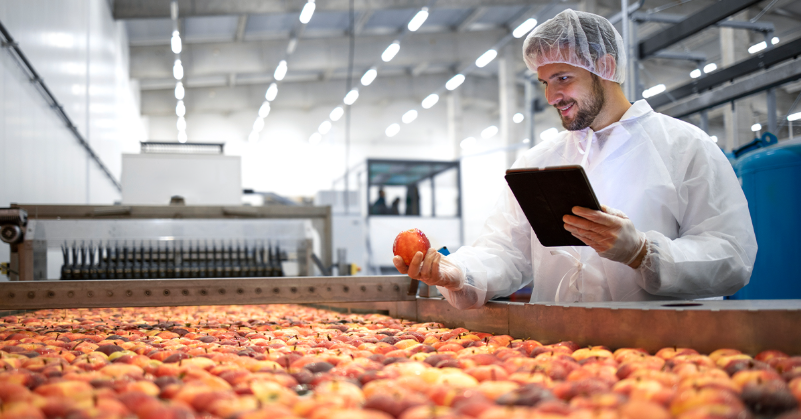
At Loop, innovation is a fundamental part of our approach to sustainability. Rather than simply following industry best practices, we are constantly seeking ways to optimize our processes and offer solutions that respect the environment. One of our key differentiators is the implementation of advanced technology to improve production efficiency.
An example of this is the use of an intelligent management system that analyzes data in real time, allowing us to forecast demand and dynamically adjust ingredient production. This not only minimizes waste, but also ensures that our products are aligned with market needs, reducing our environmental footprint.
2. Circular economy practices in action
Loop has incorporated circular economy practices into its operations, rethinking how we use resources. Instead of following the traditional linear model, we are implementing solutions that enable the reuse and recycling of materials throughout our production chain.
For example, instead of transporting water—which represents high costs and environmental impact due to its volume—we focus on delivering concentrated products. This strategy not only reduces logistics costs, but also decreases carbon emissions related to transportation. In doing so, we promote operational efficiency and reinforce our commitment to a more sustainable business model.
3. Strategic partnerships and sustainable development
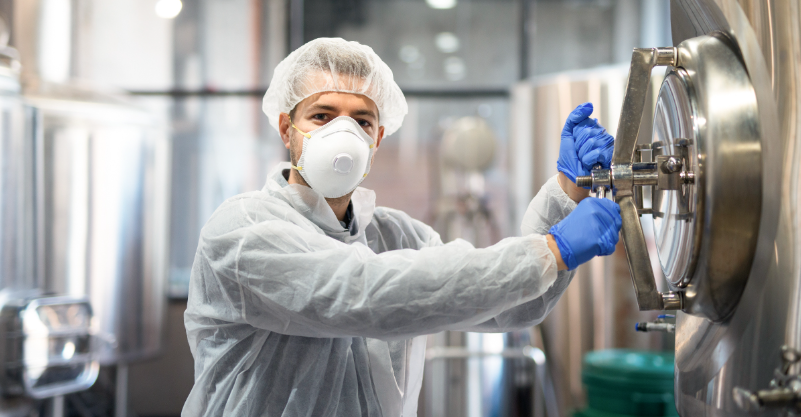
In the pursuit of sustainability, strategic partnerships are essential. Integration with ISAU Juice Industry is a clear example of how Loop is positioning itself to strengthen family farming and ensure responsible fruit production. These partnerships not only guarantee ingredient quality, but also promote agricultural practices that respect the environment.
In addition, we are constantly seeking collaborations with startups and innovative companies that share our vision of a sustainable future. By incorporating new technologies and methods, we ensure that our processes are always aligned with industry best practices.
4. Transparency and certification: the new frontier of trust
Transparency has become a crucial aspect of sustainability. Today, consumers and companies alike are increasingly demanding regarding the origin and impact of the products they use. Loop is committed to providing clear information about its practices and products.
FSSC 22000 certification is one of the pillars that support our reputation in the market. However, we do not stop there. We are investing in traceability technologies that allow our customers to track the origin of our ingredients in real time. This transparency not only builds trust, but also positions Loop as a benchmark in responsibility.
5. The future of sustainability: challenges and opportunities
As we look to the future, it is crucial to recognize the challenges that still remain. Resource scarcity, climate change, and market pressures require companies to continuously adapt and innovate.
However, these challenges also bring opportunities. The development of new products with a focus on sustainable and healthy alternatives can open new markets and meet the growing demand for more conscious choices.

A call to action
Sustainability is not just a responsibility—it is an opportunity for innovation and growth. At Loop, we are committed to leading change by leveraging technology, building partnerships, and promoting transparency across all our operations. We invite other companies and industry professionals to join us on this journey, sharing knowledge and best practices toward a more sustainable future.
To learn more about how Loop is innovating in sustainability, continue following us here on LinkedIn.